
Paper: arXiv:2502.09688
Highlights
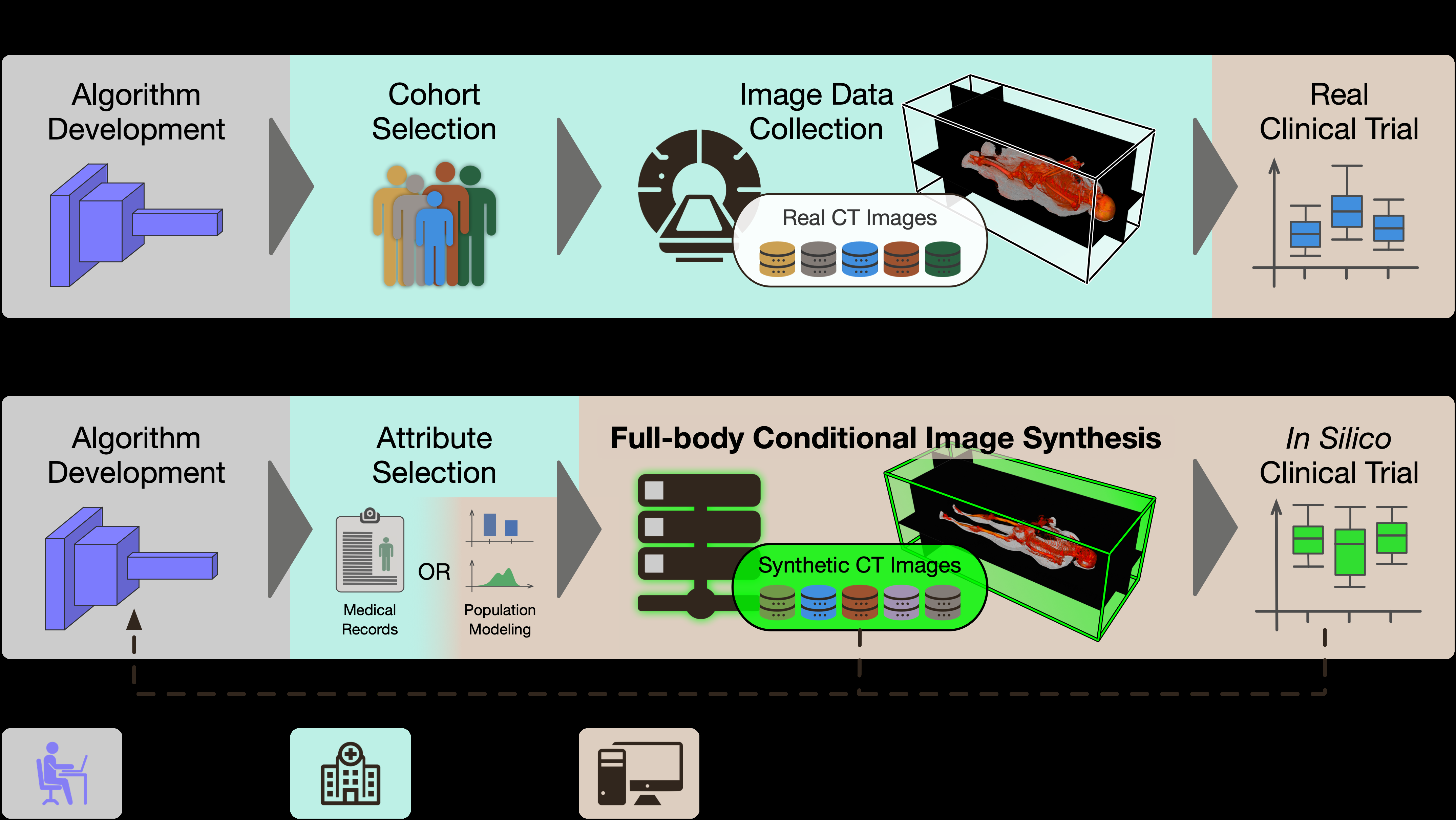
- Novel framework for conducting virtual clinical trials to evaluate radiology AI systems.
- Conditional generative modeling to synthesize realistic and diverse medical imaging scenarios.
- Systematic evaluation of AI performance across controlled variations in patient characteristics and imaging conditions.
- Addresses limitations of traditional clinical trials including cost, time, and limited scenario coverage.
Abstract
Rigorous evaluation of radiology AI systems is essential for safe clinical deployment, but traditional clinical trials are expensive, time-consuming, and limited in their ability to test AI performance across the full spectrum of clinical scenarios. We propose a framework for virtual clinical trials that uses conditional generative models to synthesize realistic medical images with controlled variations in patient characteristics, disease presentations, and imaging parameters. This enables systematic evaluation of AI performance across diverse scenarios that may be rare or difficult to acquire in real clinical settings. Our conditional generative models are trained to produce high-fidelity medical images conditioned on relevant clinical variables such as patient demographics, disease severity, and imaging protocol. By sampling from these models, we can create large-scale synthetic test sets that comprehensively probe AI system behavior. We demonstrate that virtual clinical trials can reveal performance variations and failure modes that may not be apparent from evaluation on standard test sets. This approach provides a scalable, cost-effective complement to traditional clinical trials, enabling more thorough pre-deployment validation of radiology AI systems.
Method
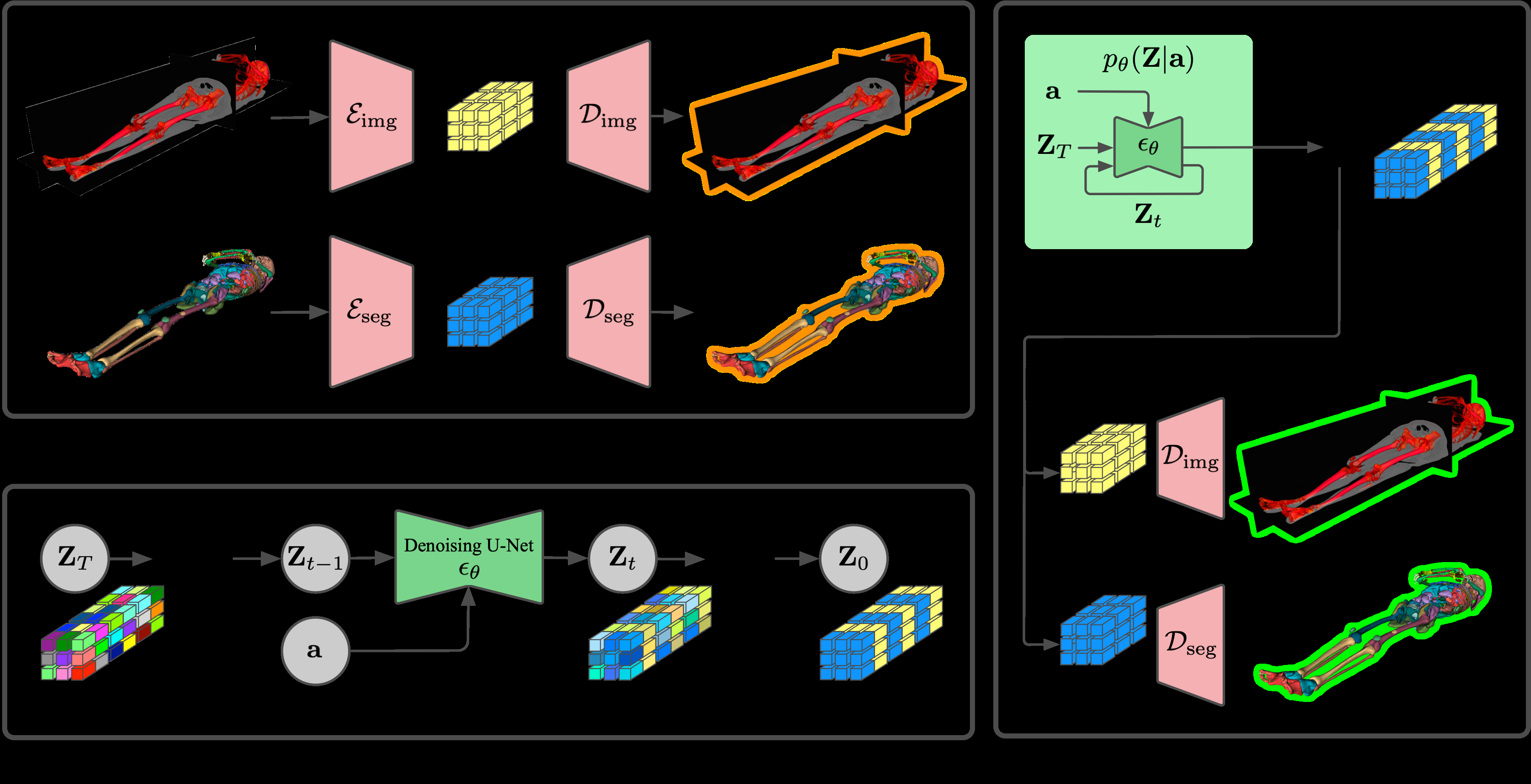
Our framework consists of three main components: conditional generative modeling, virtual trial design, and comprehensive AI evaluation.
The conditional generative modeling component learns to synthesize realistic medical images conditioned on clinical variables. We employ advanced generative architectures such as conditional GANs or diffusion models that can capture the complex distribution of medical images while maintaining controllability through conditioning. The conditioning variables include patient demographics (age, sex, etc.), disease characteristics (type, severity, location), and imaging parameters (scanner type, acquisition protocol).
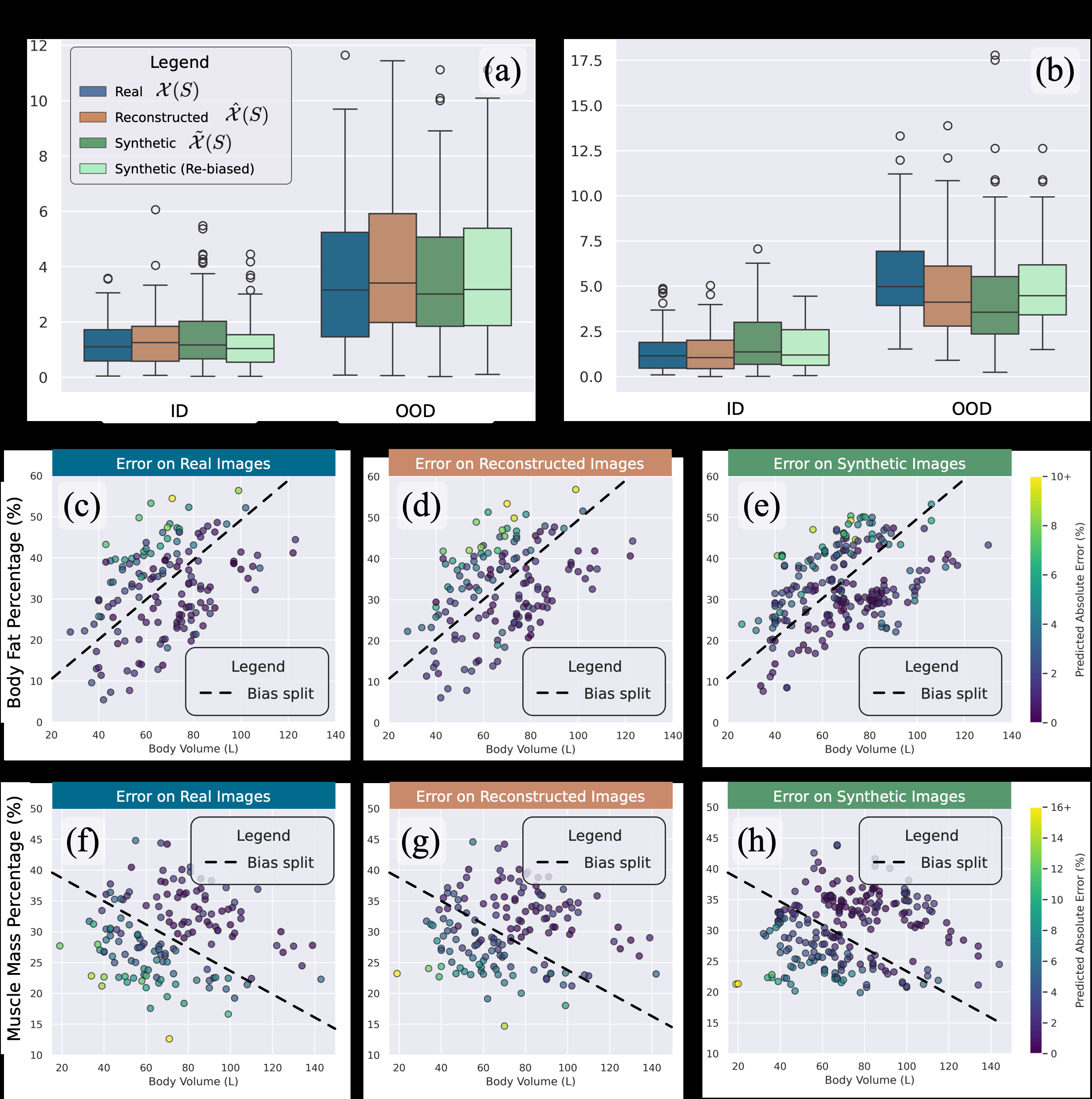
The virtual trial design component systematically varies conditioning variables to create comprehensive test scenarios. This allows us to evaluate AI performance across different patient subgroups, disease presentations, and imaging conditions. The design follows principles from real clinical trial methodology but with the flexibility to test scenarios that may be impractical in real trials.
The comprehensive evaluation component assesses AI system performance on the synthesized test sets, analyzing not only overall accuracy but also performance stratified by clinical variables. This reveals potential biases, performance gaps in specific subpopulations, and failure modes that may not be apparent from aggregate metrics.
Results
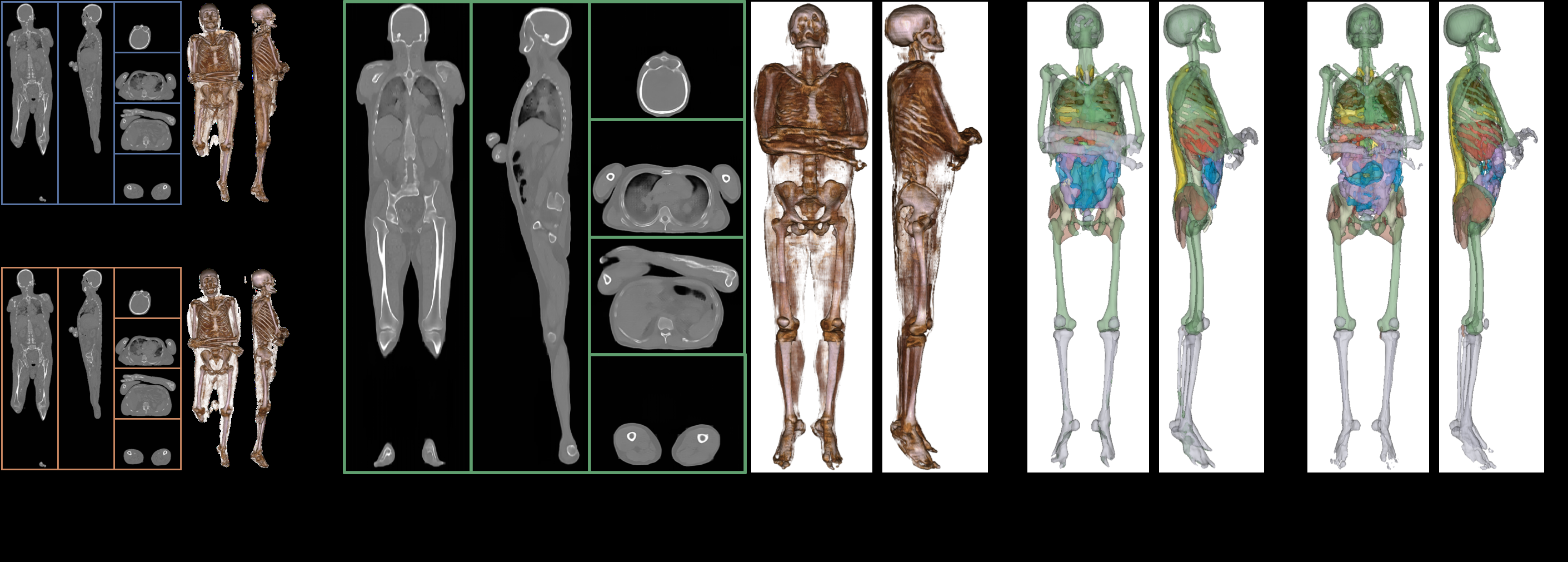
Our framework successfully generates realistic medical images that are clinically plausible and diagnostically useful. Radiologist evaluation confirms that synthetic images are difficult to distinguish from real images and maintain clinical relevance.
Virtual clinical trials reveal important insights about AI system performance. By systematically varying clinical parameters, we identify performance degradation in specific scenarios such as rare disease presentations or suboptimal imaging conditions. We also uncover biases related to patient demographics that may not be apparent from standard evaluation.
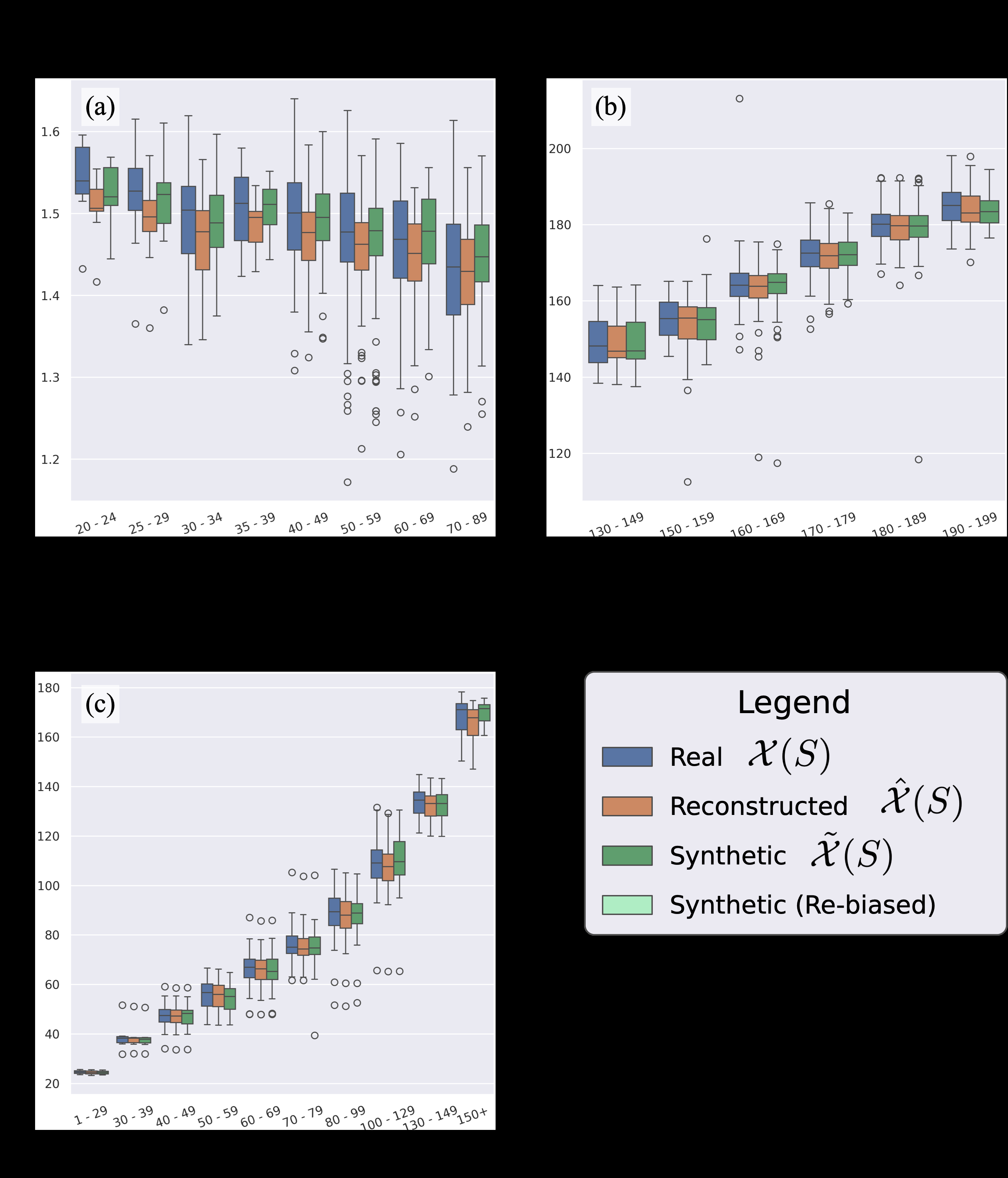
The virtual trial framework enables identification of failure modes and performance boundaries that would require prohibitively large real clinical trials to discover. This provides valuable information for improving AI systems and defining appropriate use cases for clinical deployment.
Conclusion
This article is only meant for a brief introduction.
We present a framework for virtual clinical trials of radiology AI systems using conditional generative modeling. By synthesizing realistic medical images with controlled variations in clinical parameters, we enable comprehensive evaluation of AI performance across diverse scenarios. This approach addresses key limitations of traditional clinical trials including cost, duration, and limited coverage of rare or challenging cases. Virtual trials reveal performance variations and potential biases that may not be apparent from standard evaluation, providing valuable insights for AI development and deployment decisions. While not replacing real clinical trials, our framework offers a powerful complementary tool for rigorous pre-deployment validation of medical AI systems, ultimately contributing to safer and more effective clinical AI deployment.